
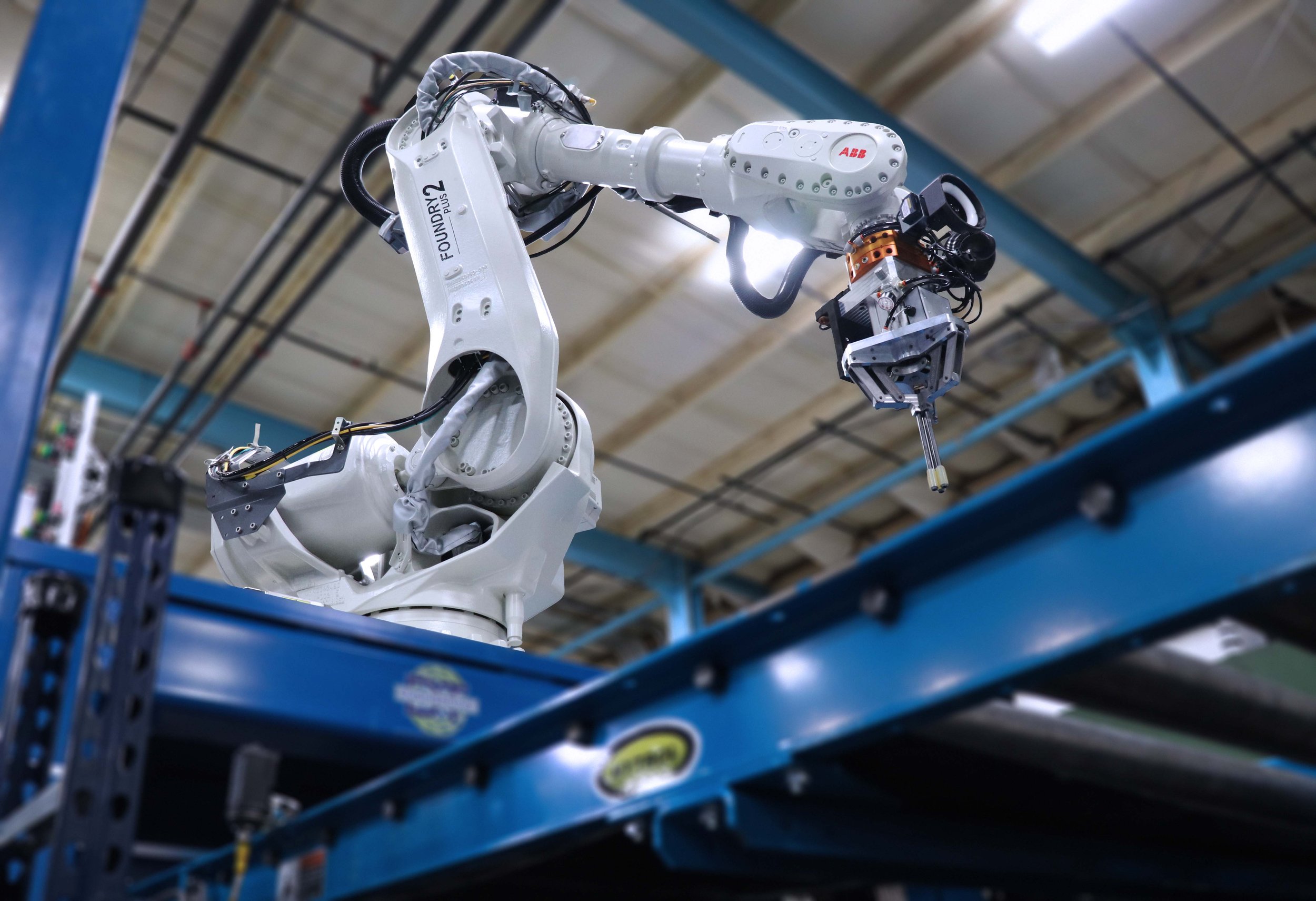
Robotic End of Arm Tooling
Indispensable in streamlining manufacturing processes.
Talk to an automation expert.
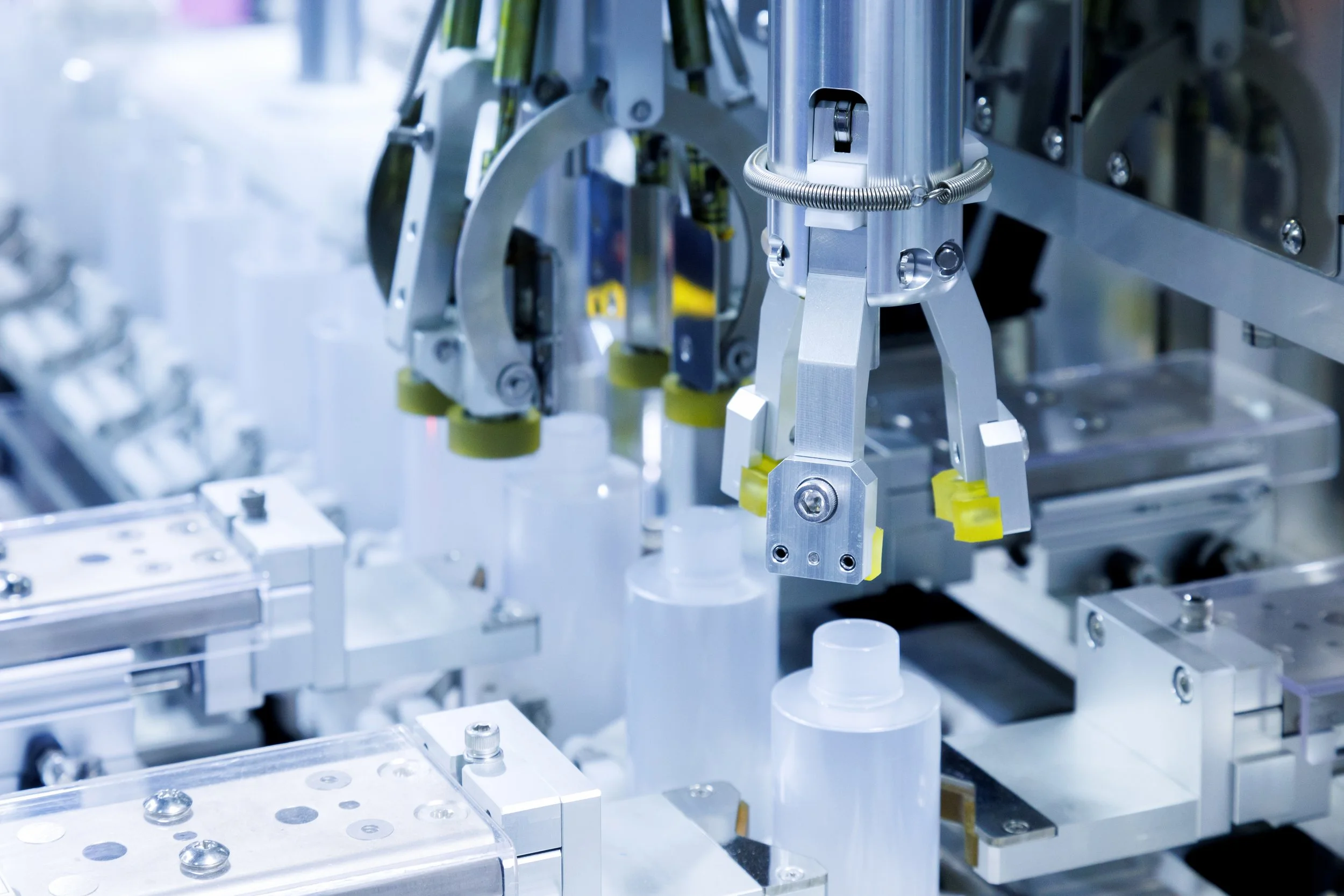
Robotic End of Arm Tooling – Grippers
Robotic End of Arm Tooling (EOAT) grippers play a vital role in industrial robotic automation, enhancing the versatility and efficiency of robotic systems. Robot grippers are collaborative subassemblies mounted to the end of a robotic arm, enabling the robot to interact and manipulate objects across a range of robotic process automation applications. EOAT grippers come in diverse designs, including pneumatic, hydraulic, and electric variants, each tailored to accomplish specific tasks in a variety of environments. From industrial assembly to material handling, EOAT grippers are indispensable robotic automation tools, improving productivity and accuracy in today’s automation-driven industries.

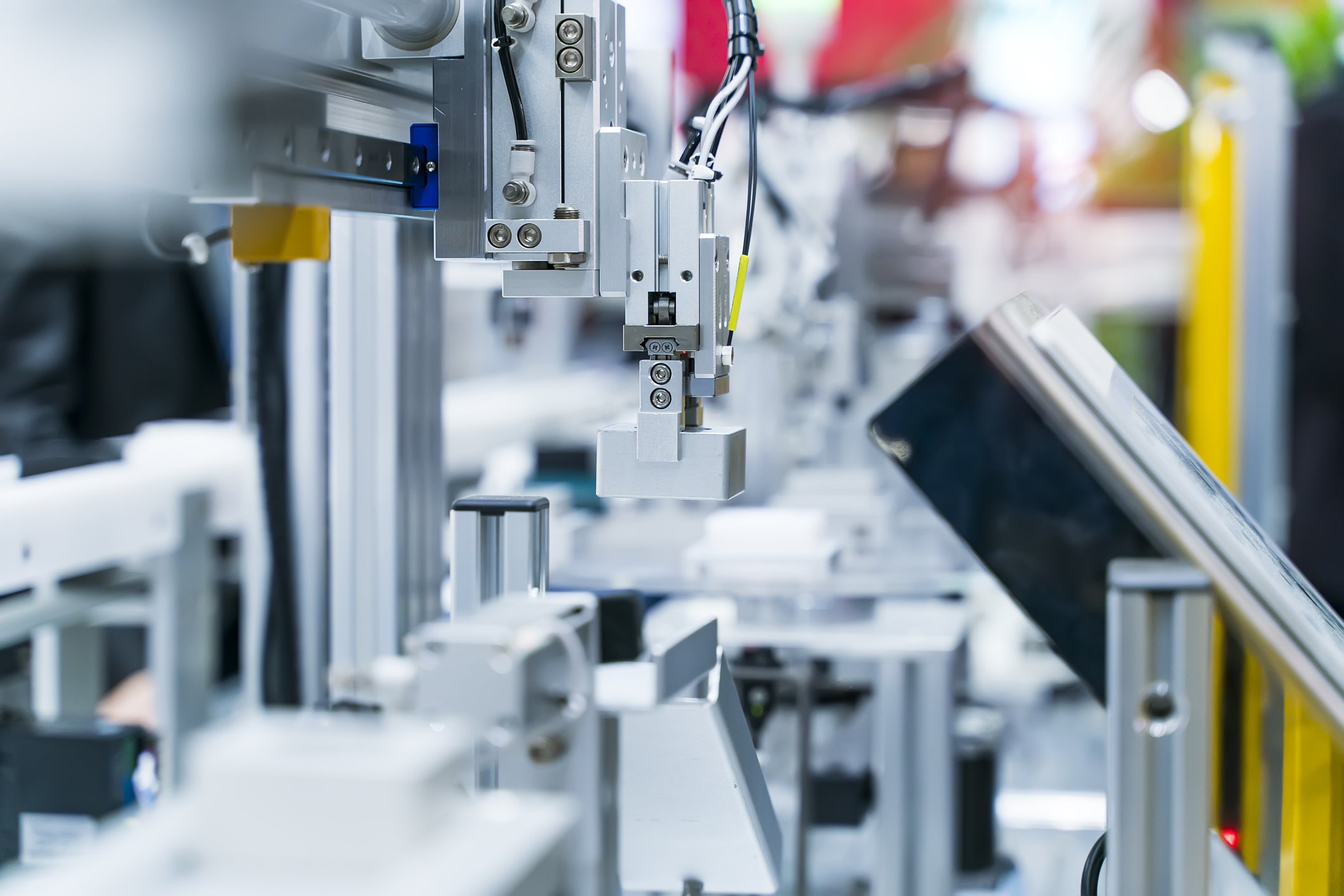
Robotic End of Arm Tooling – Torquing
The process of torquing involves the precise application of torque by a robotic arm to various components or fasteners. Robotic EOAT allows for the automation of torque application, eliminating the need for manual labor and increasing productivity. These end effectors are designed to provide controlled torque levels and prevent over-tightening or under-tightening. In manufacturing and assembly processes, the torquing process in robotic end of arm tooling offers a reliable and efficient solution for achieving consistent and accurate torque application in various manufacturing and assembly processes.
Robotic End of Arm Tooling Processes
Specialized Cutting Tools
Through the use of advanced robotic automation, robotic arms equipped with cutting tools can follow predetermined paths and adjust cutting parameters on the fly. This capability makes end of arm tooling an invaluable asset in manufacturing processes.
Advanced Inspection Tools
These tools with integrated inspection technology can accurately detect any signs of wear, damage, or misalignment in the EOAT, ensuring that it operates optimally and minimizes any potential production disruptions.
Equipped Welding Tools
The end of arm tooling can be customized to adapt to a wide range of welding requirements, delivering consistent weld quality across various materials and joint configurations.
Highly-Efficient Spraying Tools
This tooling can achieve consistent and controlled coating applications allowing for automated and uniform spraying of paints, coatings, adhesives, or other substances onto surfaces.
Revolutionize your operations.
Embrace innovation and reshape the future of manufacturing.
FAQs
What does EOAT do in a robotic system?
End-of-arm tooling is the interface between a robotic arm and the physical world. It gives the robot the ability to interact with parts, materials, and surfaces in ways that match your specific process requirements, whether that means gripping and transferring components, applying torque to fasteners, inspecting for defects, or performing finishing operations like welding or spraying. Without the right EOAT, a robotic arm has no meaningful way to act on your product, so the tooling selection is as important to system performance as the robot itself.
What types of EOAT are available?
EOAT spans a broad range of end effector types depending on the task at hand. Grippers are the most common and come in pneumatic, hydraulic, and electric configurations for picking, placing, and manipulating parts across assembly and material handling applications. Beyond grippers, EOAT includes torquing tools for precise fastener applications, cutting tools for path-following material removal, inspection tools for detecting wear or misalignment, welding tools for consistent joint quality across materials, and spraying tools for controlled application of coatings, adhesives, and paints.
How do we choose the right EOAT for our application?
Selection is driven by your part geometry, material, weight, cycle time requirements, and the specific action the robot needs to perform. DT Engineering evaluates these variables during the design phase to match the tooling type and actuation method to your production environment, ensuring the integrated system performs reliably at your required throughput.
Can EOAT be customized for our part or process?
What maintenance does EOAT require?
Customization is standard practice in EOAT design, not an exception. Off-the-shelf end effectors rarely address the full range of part shapes, tolerances, or process conditions present in a real manufacturing environment. DT Engineering designs end-of-arm tooling to accommodate the specific requirements of your application, including custom gripper geometry, multi-function tooling that handles more than one task per cycle, and configurations built to operate within the constraints of your existing robotic system and workspace.
EOAT maintenance focuses on keeping the tooling performing to its designed specifications over time. This includes inspecting for mechanical wear, checking actuation components such as pneumatic or hydraulic connections, verifying that gripping force and torque output remain within spec, and monitoring for any signs of misalignment that could affect part handling accuracy or quality issues with the production process step at hand. DT Engineering's equipment support services extend to EOAT and the broader robotic systems it is integrated into, providing a resource for ongoing adjustments, replacements, and system-level diagnostics as your production demands evolve.