
Robotic Automation Solutions
Innovative robotic automation systems to accelerate your manufacturing capabilities
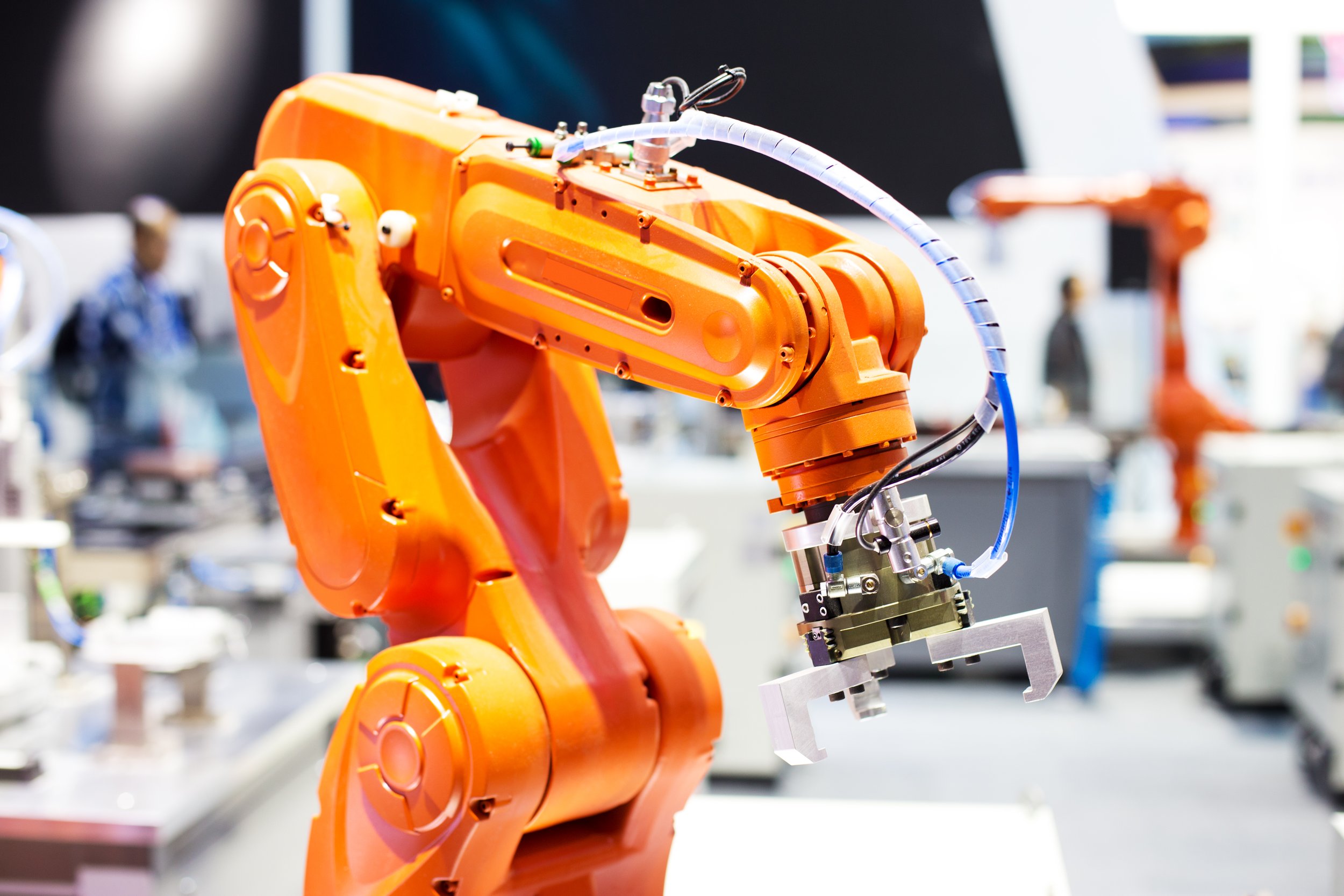
As your robotic automation integrator, we build systems that boost productivity, efficiency, and safety.
DT Engineering is an industrial automation system integrator specializing in robotic programming, integration, and deployment for regulated manufacturing environments.
We program and integrate robotic systems for leading manufacturers, delivering turnkey and custom robotic automation solutions engineered to your parts, tolerances, and throughput targets, from concept through commissioning and long-term support.
Talk to a robotic automation expert
Increase Efficiency and Productivity
Robotic integration maximizes output and cuts downtime on repetitive, high-volume tasks. Our solutions reduce cycle times, increase production rates, and ensure consistent workflows.
Improve Quality and Precision
Robotic automated systems remove the variability that comes with manual handling. Every cycle runs to the same tolerance, so your product quality holds steady at any volume.
Additional Flexibility and Adaptability
Production changes based on market trends and product enhancements. Our robotic automated systems are programmed to adapt to new parts, new tasks, or new lines without a full rebuild, so your automation investment keeps pace with your operation.
FAQs
What can robotic automation solve in our plant?
Robotic automation addresses the operational challenges that limit manufacturing performance: inconsistent output, high labor dependency, slow cycle times, and quality variability caused by manual handling. DT Engineering programs and integrates robotic systems designed to take on repetitive, time-sensitive, or precision-critical tasks that are difficult to scale with a human workforce. The result is a more predictable production environment with fewer errors, tighter tolerances, and a stronger baseline for growth.
Which processes are the best candidates for automation?
The strongest candidates are processes that are repetitive, high-volume, physically demanding, or require consistent precision across every cycle. Common applications include robotic assembly, pick and place, palletizing, product inspection, packaging, sorting, and end-of-line automation. DT Engineering works across multiple robot types, so the fit between the robot and the task is determined by your specific process requirements rather than a one-size-fits-all approach.
Will a robot work with our parts, cycle times, and tolerances?
Robot selection and programming are matched to your production requirements, not the other way around. Different robot architectures handle different constraints well. DT Engineering evaluates your parts, tolerances, and throughput targets during the design process to make sure the integrated system performs to spec before it reaches your floor.
What data, analytics, or reporting capabilities are available?
What happens if we need spare parts or service quickly?
Modern robotic systems can be integrated with machine performance monitoring and production analytics tools that provide real-time visibility into cycle times, output rates, downtime events, and equipment health. DT Engineering's Industry 4.0 capabilities allow manufacturers to connect robotic systems into a broader smart manufacturing environment, where production data informs maintenance decisions and operational improvements. For manufacturers in regulated industries, these capabilities also support documentation and validation requirements.
DT Engineering provides ongoing equipment support services beyond initial integration and commissioning. The team is available to support troubleshooting, system adjustments, and equipment modernization as your production needs evolve. Building a long-term service relationship alongside the integration work is part of how DT Engineering approaches each project, so you are not starting from scratch when you need support.
How do we determine whether automation is right for our operation?
The clearest signal is a process that is limiting your throughput, creating quality inconsistencies, or placing unnecessary strain on your workforce. A practical starting point is reviewing which tasks are high-frequency, physically repetitive, or precision-dependent, and then assessing whether the output gains justify the investment at your production volume. DT Engineering works with manufacturers at the concept and planning stage to evaluate fit, define system requirements, and develop an automation approach that aligns with your operational goals before any hardware commitment is made.
Discovering Our Robotic Automation Tools and Technologies
Articulated Robots
Capable of mimicking human dexterity and flexibility, enabling them to accomplish intricate tasks with unparalleled precision and excelling in repetitive tasks where consistency and speed are paramount. Ideal for high-precision robotic process automation.
Cartesian Robots
Cartesian robots move along the X, Y, and Z planes, allowing them to navigate large workspaces, making them ideal for applications such as palletizing, pick and place, transfer systems, sorting, and EOL automation.
Collaborative Robots
These robots are lightweight, flexible, and easy to program, making them ideal for small-scale manufacturing and robotic assembly operations. COBOTS are utilized in sorting, picking, packing, inspection, assembly, and EOL automation.
Delta Robots
Capable of adapting to diverse manufacturing needs, Delta robots are exceptionally versatile with their range of motion, enabling them to excel in intricate and confined spaces. This adaptability makes them invaluable in industries like automotive assembly or pharmaceutical packaging. DT Engineering utilizes Delta robots for high-speed automation in manufacturing applications like pick and place, dispensing, and packaging.
SCARA Robots
SCARA robots offer exceptional agility and flexibility to robotic assembly lines in their movements. From assembling intricate components to packaging products with utmost efficiency, this robotic solution enables manufacturers to enhance productivity, reduce errors, and streamline processes. DT Engineering is capable of integrating SCARA robots into solutions created for sorting, pick and place, and assembly.
At the forefront of robotic innovation.
DT Engineering’s robotic automation solutions are noteworthy for their versatility and customizability. Whether the requirement is for precise robotic assembly line operations, meticulous product inspection, or packaging delicate surgical equipment, these robotic solutions can be tailored to suit specific needs, ensuring optimal performance and accuracy in any given scenario.
Revolutionize your operations.
Embrace innovation and reshape the future of manufacturing with DT Engineering’s intelligent robotic automation capabilities. Our experts will help you design, implement, and scale your robotic automation systems for unmatched manufacturing efficiency.